
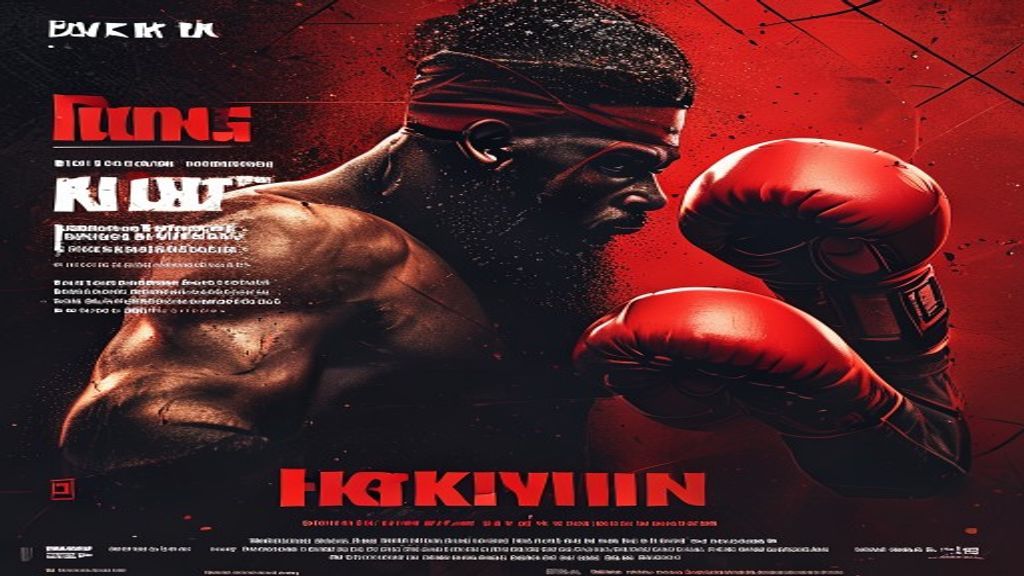
Anyone deeply entrenched in the fight game quickly realizes a harsh reality: analysts love to oversimplify combat sports. Narratives like "he has heavyweight power," "his chin is compromised," or "he's got all the momentum" are thrown around constantly. But relying on these clichés is about as effective as betting on a coin flip.
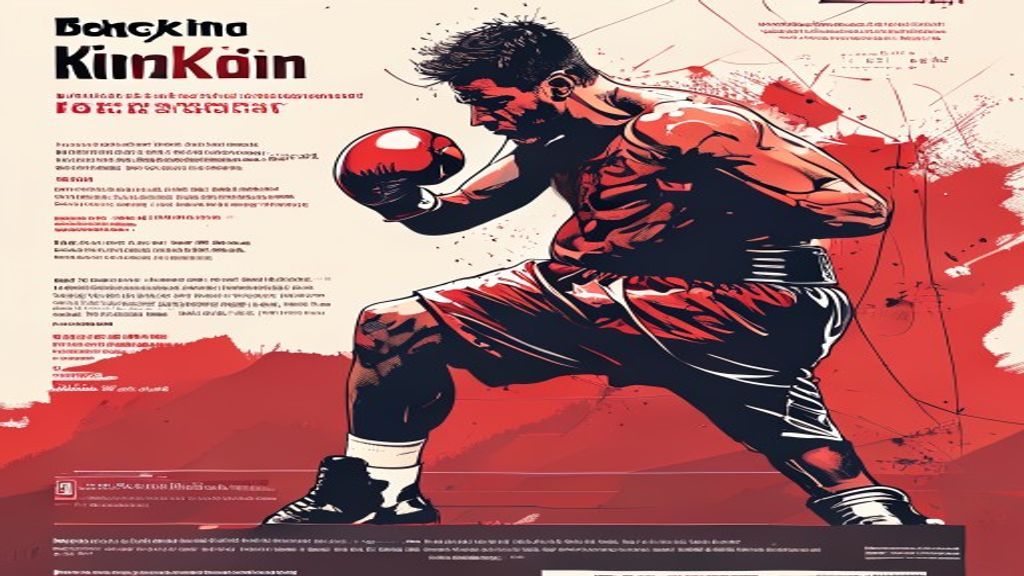
True **boxing king fight betting predictions** require a complete shift in perspective—from fan speculation to rigorous price analysis. The real profit isn't found by wagering on your favorite fighter, chasing viral internet picks, or blindly following a self-proclaimed expert who goes silent after a bad loss. To win consistently in the sports betting industry, your advantage comes from evaluating exactly how a bout is priced, analyzing stylistic matchups, and spotting market inefficiencies.
Over the past decade of analyzing combat sports wagering, a clear pattern has emerged in the **boxing king** community. The general betting public consistently gravitates toward raw power, star power, and viral highlight reels. Conversely, professional bettors focus on data-driven metrics: pace, distance management, age decline curves, ring rust, and the true caliber of past opponents. More importantly, they recognize when bookmakers are pricing a favorite like an unstoppable machine, completely ignoring his human flaws.
This fundamental difference is where fight predictions become truly profitable. Whether you are wagering on massive pay-per-view events, lower-tier title defenses, or regional cards that fly under the radar, the golden rule remains identical: betting tips lacking market context are completely worthless.
The Anatomy of Profitable Boxing King Predictions
Simply stating that "Fighter A will win" is an amateur mistake. Instead of making lazy calls, a high-level boxing bettor interrogates the odds by asking specific, value-driven questions:
- Does the current moneyline accurately reflect the true probability, or is the favorite heavily overpriced?
- Does the favored fighter historically struggle in the early rounds?
- Can the underdog's durability withstand the initial onslaught and drag the fight into deeper waters?
- How are the assigned judges likely to score the bout—will they reward aggressive volume punching over clean, effective counter-striking?
- Are there more profitable opportunities in round betting, method of victory props, or total rounds (Over/Under)?
- Is the recent line movement a genuine reflection of sharp action, or just public noise?